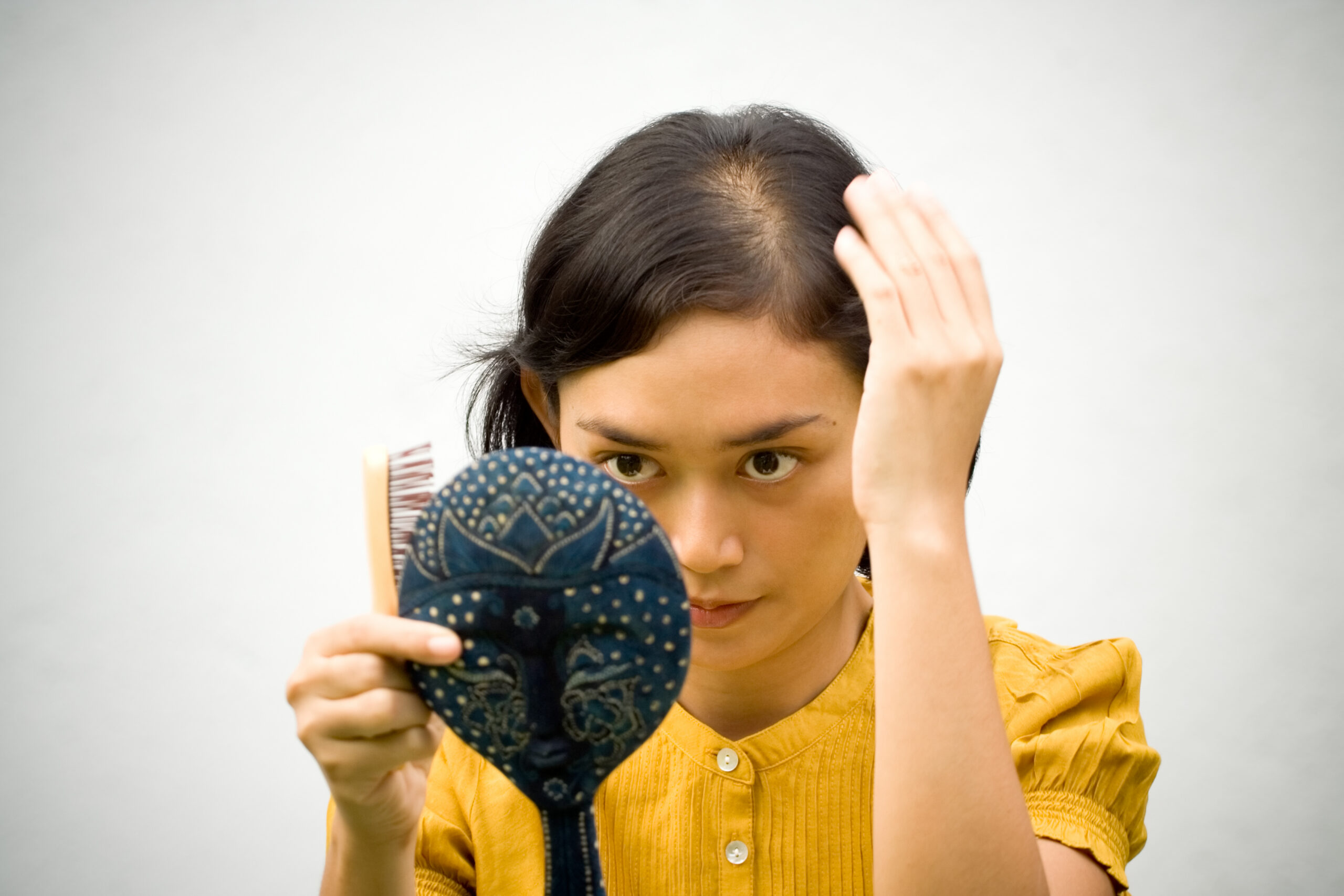
Hair loss rarely happens overnight. For most people, it begins gradually with subtle changes that are easy to dismiss at first. You may notice more hair in the shower drain, a widening part, reduced volume, or a hairline that seems slightly different in old photos. Over time, these small changes can become more noticeable and emotionally difficult to ignore.
Hair loss affects millions of men and women throughout the United States every year. According to the American Academy of Dermatology Association, it is normal to shed between 50 and 100 hairs per day, but excessive shedding or progressive thinning may indicate an underlying hair loss condition.
The earlier hair loss is identified, the more treatment options are typically available. In many cases, early intervention can slow progression, improve density, and help preserve existing hair before significant thinning occurs. Understanding the early signs of hair loss can help you determine when it may be time to explore restoration solutions.
Common Early Signs of Hair Loss
Hair loss can look very different from person to person. Some individuals experience diffuse thinning across the scalp, while others notice recession in specific areas.
Increased Hair Shedding
One of the earliest warning signs is excessive shedding. You may notice:
- More hair on your pillow
- Excessive hair in brushes or combs
- Larger amounts of hair in the shower drain
- Hair shedding during styling
Occasional shedding can happen due to stress, illness, hormonal shifts, medications, or seasonal changes. However, persistent shedding over several months may indicate a more significant issue.
Widening Part Line
For many women, hair loss begins with gradual thinning along the natural part line. The scalp may become more visible under bright lighting, or the part may appear wider than before. This pattern is commonly associated with female pattern hair loss, also known as androgenetic alopecia.
Receding Hairline
Men often first notice hair loss around the temples or frontal hairline. A receding hairline may create:
- An “M-shaped” hairline
- Thinning around the temples
- Increased forehead visibility
- Uneven hairline recession
Early treatment can often help preserve surrounding hair before additional recession occurs.
Loss of Volume
Some people notice that their hair no longer feels as thick or full as it once did. Ponytails may feel thinner, hairstyles may not hold volume as well, and the scalp may become more visible. This type of thinning is often progressive and may occur gradually over several years.
Visible Scalp
If the scalp becomes increasingly visible through the hair, particularly under bright light, it may indicate miniaturization of hair follicles. Miniaturization occurs when hair follicles shrink over time, producing finer and weaker strands.
Changes in Hair Texture
Hair affected by thinning sometimes becomes:
- Finer
- More fragile
- Wispy
- Less dense
- Difficult to style
Changes in texture can sometimes appear before noticeable bald spots develop.
Bald Patches or Circular Areas
Sudden bald patches may indicate conditions such as alopecia areata, an autoimmune form of hair loss. This type of hair loss often requires medical evaluation.
Hair Loss Symptom Checker
The following symptom checklist may help determine whether it is time to consider a professional hair restoration consultation.
Hair Loss Self-Assessment Checklist
You may want to explore restoration options if you notice several of the following symptoms:
- Excessive daily shedding
- Hairline recession
- Widening part line
- Visible scalp under lighting
- Reduced hair density
- Thinning crown area
- More difficult hair styling
- Smaller ponytail thickness
- Bald spots or patchy thinning
- Family history of hair loss
- Increased breakage or fragility
- Sudden texture changes
- Persistent shedding lasting more than 3 months
- Hair thinning after pregnancy or illness
- Hair loss associated with hormonal changes
If several of these symptoms sound familiar, a professional evaluation may help identify the cause and determine the best treatment approach.
Common Causes of Hair Loss
Hair loss can result from many different factors, and identifying the underlying cause is important when choosing treatment options.
Genetic Hair Loss
Genetics are one of the most common causes of hair thinning in both men and women. Male and female pattern hair loss often develop gradually over time and may worsen without intervention.
Hormonal Changes
Hormonal fluctuations can contribute to thinning hair, especially in women. Common hormonal causes include:
- Pregnancy
- Menopause
- Thyroid disorders
- PMOS
- Hormonal imbalances
Stress and Illness
Physical or emotional stress can trigger temporary shedding known as telogen effluvium.
This condition may occur after:
- Surgery
- Rapid weight loss
- Severe illness
- Emotional trauma
- High fever
- Major stress
Nutritional Deficiencies
Deficiencies in iron, protein, vitamin D, zinc, or other nutrients can affect hair growth and density.
Medical Conditions
Certain medical conditions may contribute to hair loss, including:
- Autoimmune disorders
- Thyroid disease
- Scalp infections
- Alopecia areata
- Chronic inflammatory conditions
Hairstyling Damage
Frequent heat styling, tight hairstyles, bleaching, or chemical treatments can damage hair and contribute to thinning over time.
When to Consider Hair Restoration Treatments
Many people wait years before seeking treatment because they assume hair loss is untreatable or inevitable. However, earlier intervention often produces better outcomes.
When Thinning Becomes Noticeable
If thinning is becoming visible in photos, mirrors, or bright lighting, it may be time to explore options before additional density is lost.
When Hair Loss Affects Confidence
Hair loss can affect self-esteem, confidence, and emotional well-being. Many people report feeling older or less like themselves as thinning progresses. Seeking treatment is not purely cosmetic for many individuals. It can also help restore confidence and improve quality of life.
When Hairstyles No Longer Work
If you find yourself changing hairstyles to hide thinning areas or avoiding certain lighting or angles, restoration treatments may help improve appearance and styling flexibility.
When Hair Continues to Thin Over Time
Progressive thinning usually does not stop on its own. If you notice worsening density over several months or years, treatment may help slow progression.
Modern Hair Restoration Options
Today’s restoration solutions are far more advanced and natural-looking than many people realize.
Non-Surgical Hair Replacement
Modern hair systems can provide highly natural results for both men and women experiencing moderate to advanced hair loss. Today’s systems are designed for:
- Natural appearance
- Comfort
- Breathability
- Active lifestyles
- Daily wear confidence
PRP Hair Restoration
Platelet-rich plasma (PRP) therapy uses growth factors from the patient’s own blood to support hair follicle function.
PRP is often used for:
- Early-stage thinning
- Maintaining existing hair
- Improving hair density
- Supporting follicle health
Hair Toppers and Integration Systems
Women experiencing thinning at the crown or part line may benefit from lightweight hair toppers or integration systems designed to blend naturally with existing hair.
Wigs and Custom Hair Solutions
Custom wigs and partial hair replacement solutions can provide full coverage for individuals experiencing more advanced thinning or medical-related hair loss.
Surgical Hair Restoration
Some individuals may also consider surgical hair transplant procedures depending on the extent and type of hair loss.
Why Early Treatment Matters
Hair restoration is often more effective when started earlier in the progression process. Early intervention may help:
- Preserve existing follicles
- Slow ongoing thinning
- Improve overall density
- Reduce future hair loss visibility
- Expand available treatment options
Once follicles become inactive for extended periods, regrowth may become more difficult.
Hair Loss in Women
Hair loss in women is extremely common but often under-discussed. According to the Cleveland Clinic, more than 50% of women will experience noticeable hair loss during their lifetime.
Women often experience:
- Diffuse thinning
- Widening part lines
- Reduced volume
- Crown thinning
- Hormonal shedding
Because female hair loss patterns differ from male baldness, treatment approaches should often be customized accordingly.
Hair Loss in Men
Male pattern baldness is one of the most common forms of hair loss and often begins earlier than many expect. According to the American Hair Loss Association, approximately two-thirds of American men experience some degree of hair loss by age 35.
Early signs in men commonly include:
- Temple recession
- Crown thinning
- Receding hairline
- Progressive frontal loss
Emotional Effects of Hair Loss
Hair loss can affect far more than appearance alone. Many individuals experience a great deal of anxiety and embarrassment. These feelings are extremely common and valid. Seeking guidance early can help individuals regain confidence and explore realistic treatment options.
Choosing the Right Restoration Provider
Not all hair restoration providers offer the same level of customization, experience, or support. When researching providers, consider experience level, range of treatment options, and before-and-after results. A consultation can help determine which options may best fit your goals, hair type, lifestyle, and stage of hair loss.
Schedule a Free Hair Analysis
If you have started noticing signs of thinning, shedding, or hairline changes, early evaluation may help preserve your options and improve long-term results. Eldorado Hair Replacement Center provides customized hair restoration and non-surgical hair replacement solutions for men and women experiencing hair loss throughout Maryland and the surrounding region. Whether you are dealing with early thinning or more advanced hair loss, professional guidance can help you better understand your options and create a treatment plan designed around your needs. Schedule a free hair analysis today.