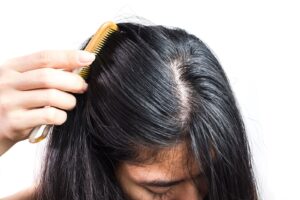
Hair loss after a stressful life event can feel especially cruel because it often shows up when you’re already emotionally drained. A breakup, illness, surgery, grief, job loss, or prolonged anxiety can shock the body in ways that surface months later in your hair. Many people notice increased shedding in the shower, thinning around the hairline, or a part that suddenly looks wider. It’s alarming, but it’s also a medically recognized response to stress.
The good news is that stress-related hair loss is usually treatable, and in many cases reversible. Understanding what’s happening inside your body is the first step toward stopping the shedding and encouraging regrowth. For people in Washington DC, Maryland, and Northern Virginia, early hair restoration support can make a major difference in protecting long-term density.
Why Stress Causes Hair Loss
The most common form of stress-related hair loss is telogen effluvium. Under normal conditions, about 80–90% of hair follicles are in the active growth phase (anagen), while only around 5–15% are in the resting phase (telogen) at any given time. When the body undergoes significant physical or emotional stress, many hairs can prematurely shift from growth into the resting phase. In cases of telogen effluvium, as much as 70% of normally growing hairs may enter the telogen phase, which later results in a noticeable increase in shedding.
This shift doesn’t result in instant hair loss. Because the hair cycle works over months, you may not notice shedding until two to four months after the triggering event, a delay that often makes people unaware of the connection between the stressful period and the hair loss that follows.
Hair shedding from telogen effluvium is usually diffuse, meaning it thins across the scalp rather than forming patchy bald spots. In many cases, this type of hair loss is temporary and resolves as your body returns to normal hair growth patterns once the stressor is removed or managed.
If stress persists or the shedding doesn’t improve after several months, professional evaluation can help determine whether telogen effluvium is the cause or if another type of hair loss pattern requires a different treatment approach.
How Long Stress Hair Loss Lasts
For mild cases, shedding may slow within three to six months once the nervous system stabilizes. More severe or prolonged stress can extend that timeline. If thinning continues past six months or becomes visibly noticeable, it’s time to consider professional evaluation. Persistent shedding may indicate that stress uncovered an underlying issue such as hormonal imbalance, thyroid dysfunction, or genetic thinning. Many people assume they just have to wait it out. In reality, early treatment often shortens recovery and prevents permanent loss.
Stabilizing the Body to Restart Hair Growth
Stopping stress hair loss starts with restoring balance. Chronic stress raises cortisol, disrupts sleep, and diverts energy away from hair follicles. The body prioritizes survival over appearance. To restart growth, you have to signal safety.
Sleep is one of the strongest drivers of recovery. Hair follicles are metabolically active and depend on restorative sleep. Consistent bedtimes, limiting screens at night, and reducing caffeine can significantly improve sleep quality.
Nutrition matters just as much. Stress rapidly depletes nutrients needed for hair production. Iron, vitamin D, protein, zinc, and B vitamins are especially important. Appetite loss or crash dieting after a stressful event can intensify shedding. A balanced diet rich in protein, leafy greens, and whole foods supports follicle repair.
Supporting the Scalp During Recovery
Healthy hair starts at the scalp. Inflammation, buildup, and reduced circulation can slow regrowth. Gentle scalp massage increases blood flow and may help dormant follicles reenter the growth phase. Using mild shampoos and avoiding harsh chemical treatments allows the scalp to recover.
Overstyling, tight hairstyles, and frequent heat tools should be minimized while hair is fragile. The goal is creating the least stressful environment possible for follicles already recovering from systemic shock.
When to Seek Professional Hair Restoration
If shedding continues or thinning becomes noticeable, professional evaluation is a smart next step. Stress can expose underlying conditions that won’t resolve on their own. Early hair restoration care protects follicles before they miniaturize permanently.
Eldorado provides customized medical hair restoration for patients throughout Washington DC, Maryland, and Northern Virginia. Modern restoration is not limited to surgery. Non-surgical treatments can strengthen follicles, extend growth cycles, and encourage regrowth before thinning becomes advanced. For many patients recovering from a stressful life event, early intervention preserves density and restores confidence faster than waiting.
The Emotional Side of Stress Hair Loss
Hair thinning during an already painful chapter can intensify anxiety. People often feel embarrassed and delay seeking help. In reality, stress hair loss is one of the most common triggers seen in restoration clinics and affects men and women of all ages. Worrying about shedding can create a feedback loop that prolongs the stress response. Therapy, mindfulness practices, and emotional regulation work indirectly to support hair recovery by calming the nervous system. Exercise also helps. Moderate movement lowers cortisol and improves circulation without overwhelming the body.
Modern Hair Replacement Options
Some people want immediate cosmetic improvement while natural regrowth occurs. Modern hair replacement systems are lightweight, breathable, and undetectable. They provide instant density without damaging existing hair.
For individuals recovering from trauma, illness, or prolonged stress, restoring appearance quickly can be part of emotional healing. Today’s hair systems are customized and designed to look natural in everyday life.
Why Early Treatment Matters
Stress alone rarely destroys hair follicles permanently, but repeated or prolonged stress can weaken follicles enough to accelerate genetic thinning that may already be quietly in progress. Many people assume stress hair loss will simply correct itself with time, and sometimes it does. The risk is that while you’re waiting, vulnerable follicles can shrink, produce thinner strands, and eventually stop growing visible hair altogether. Once a follicle fully miniaturizes, restoring it becomes much more difficult.
Early treatment protects follicles during their most fragile window. When shedding first begins, the goal isn’t just cosmetic improvement; it’s biological preservation. Supporting the scalp and hair cycle early can prevent temporary stress shedding from turning into long-term thinning. This is especially important for people with a family history of hair loss, because stress often acts as a trigger that speeds up an underlying pattern rather than creating a completely separate condition.
Another reason timing matters is treatment flexibility. The earlier hair loss is addressed, the more non-surgical options remain effective. Medical therapies, scalp treatments, and regenerative approaches work best when follicles are still alive but weakened. Waiting until thinning is advanced may limit results and shift the conversation toward more intensive restoration methods.
Recovery Takes Time but It Is Possible
Hair regrowth is slow, and patience is essential. The first goal is stopping excessive shedding. Visible thickening follows months later. Many people quit too early because progress feels invisible at first. In reality, follicles are cycling back to life long before you see dramatic change.
Hair is deeply tied to identity. Losing it during a stressful life event can feel unfair, but stress hair loss is not permanent for most people. With the right combination of physical recovery, scalp support, and professional care, density can return.
If shedding has lasted months or thinning is visible, seeking help is not vanity. It is preventative care. Early treatment gives follicles the best chance to recover and protects long-term confidence.
Checklist: What To Do To Stop Hair Loss After a Stressful Event
If stress-related shedding has started, small consistent actions can help stabilize your system and support regrowth. Use this checklist as a practical guide while your body recovers.
- ☐ Prioritize sleep and aim for consistent rest every night
- ☐ Eat enough protein to support hair production
- ☐ Get bloodwork to check iron, vitamin D, and nutrient levels
- ☐ Reduce crash dieting or restrictive eating
- ☐ Massage your scalp daily to improve circulation
- ☐ Switch to gentle, sulfate-free hair products
- ☐ Avoid tight hairstyles that pull on follicles
- ☐ Limit heat styling and chemical treatments
- ☐ Manage stress through exercise, therapy, or mindfulness
- ☐ Stay hydrated throughout the day
- ☐ Track shedding instead of guessing changes
- ☐ Take progress photos monthly rather than daily mirror checks
- ☐ Seek professional evaluation if shedding lasts over 6 months
- ☐ Discuss non-surgical hair restoration options early
- ☐ Protect your scalp from sun and inflammation
Stopping stress hair loss is rarely about one dramatic fix. It’s about stacking small supportive habits that signal safety to your body and allow follicles to return to their normal growth cycle.
Contact Eldorado Hair Restoration
If you’re noticing ongoing shedding or visible thinning after a stressful life event, you don’t have to wait and hope it resolves on its own. Early evaluation can protect your hair and give you clarity about what’s happening beneath the surface. Many patients are relieved to learn their follicles are still recoverable when treatment starts at the right time.
Eldorado works with patients across Washington DC, Maryland, and Northern Virginia to create personalized hair restoration and hair replacement plans that match real life, real schedules, and real goals. Whether you’re dealing with temporary stress shedding or early-stage thinning, a professional consultation can help you understand your options and take control of recovery. Contact Eldorado Hair Restoration today to book a free hair analysis and start protecting your hair with expert guidance designed for long-term results.