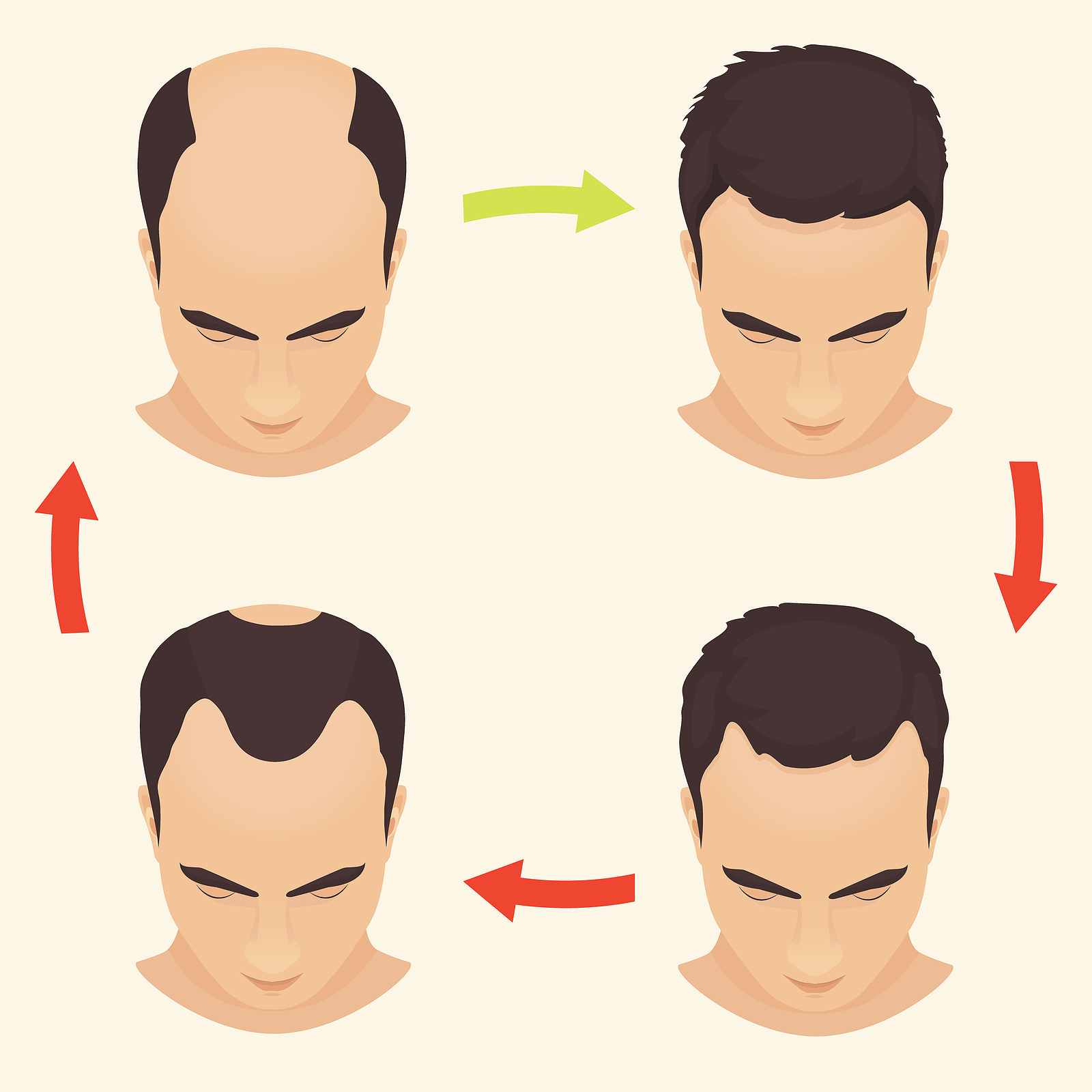
A successful hair transplant is about more than moving hair from one part of the scalp to another. Where each graft is placed can influence how natural the result looks, how well the transplant complements your facial features, and how your hair may look as you continue to age. Hair transplant surgeons consider factors such as your existing hair, degree of hair loss, donor hair availability, facial proportions, hair characteristics, and the possibility of future thinning when developing a treatment plan. Understanding how these decisions are made can help patients know what to expect when considering hair restoration in Baltimore or the surrounding Maryland and Washington, DC region.
Hair Transplant Placement Starts With a Personalized Plan
There is no single hairline shape, graft number, or placement pattern that works for every patient. Before a hair transplant, the surgeon evaluates the scalp as a whole rather than focusing only on the areas that currently look thin. The goal is to determine where transplanted follicles can provide the most natural and useful coverage while making responsible use of the available donor hair.
Factors that may influence the plan include:
- Current pattern and severity of hair loss
- Age and potential for future hair loss
- Amount and quality of donor hair
- Hair thickness, texture, curl, and color
- Existing hair density
- Scalp characteristics
- Facial proportions
- Previous hair restoration procedures
- Patient goals and expectations
These considerations help determine not only where hair should be transplanted, but also how donor grafts should be distributed.
How Is a Hair Transplant Hairline Designed?
The frontal hairline is one of the most visually important parts of a hair transplant. A hairline that is too low, too straight, or too dense can look unnatural, particularly as a patient gets older or experiences additional hair loss. Surgeons typically consider facial proportions, the patient’s existing or previous hairline, age, hair loss pattern, and available donor supply when designing the frontal hairline. The objective is generally not to recreate the exact hairline someone had as a teenager. Instead, the surgeon can design a hairline that fits the patient’s face and creates a natural transition into the existing hair.
Why Hairline Irregularity Matters
Natural hairlines are not perfectly straight or uniform. Individual hairs typically appear at slightly different positions, creating a softer transition between the forehead and denser hair behind it. Careful placement of follicular units can help reproduce this appearance. Single-hair grafts are often particularly useful along the leading edge of the hairline, while grafts containing multiple hairs may be positioned farther behind it to help build density.
Hair Direction and Angle Are Just as Important as Location
Where a graft is placed is only part of the equation. The angle and direction at which transplanted hair grows can have a major effect on the final appearance. Natural scalp hair does not grow straight upward in every area. Growth patterns change across the scalp, particularly around the temples, frontal hairline, and crown.
During transplantation, recipient sites can be created to complement the direction and angle of surrounding hair. This allows transplanted follicles to grow in a pattern that blends more naturally with existing hair. This is especially important around the crown, where hair commonly grows in a whorl or spiral pattern. Placing grafts without accounting for this pattern can make the transplant appear less natural.
How Surgeons Decide Where to Create Density
Patients understandably want as much density as possible. However, simply placing the maximum number of grafts into one area is not always the best long-term strategy. Donor hair is a limited resource. Hair used during one transplant cannot simply be replaced in the donor area, making thoughtful donor management an important part of surgical planning. A surgeon may prioritize areas that have the greatest cosmetic impact, particularly the frontal hairline and frontal scalp. Depending on the patient’s pattern of hair loss and donor supply, grafts can then be distributed through the mid-scalp or crown. The appropriate approach varies considerably from patient to patient.
Why Surgeons Have to Think About Future Hair Loss
One of the challenges of hair transplantation is that transplanted follicles and existing non-transplanted hair can behave differently over time. Hair transplanted from appropriate donor areas is generally selected because those follicles are more resistant to the effects of androgenetic alopecia. However, the patient’s original hair surrounding the transplant may continue to thin. This means a transplant should be planned with the future in mind. For example, placing a very low, dense hairline in a younger patient may consume a significant amount of donor hair. If that patient later develops extensive thinning behind the transplanted area, additional grafts may be needed to maintain a balanced appearance. A more conservative strategy can help preserve donor hair for possible future procedures.
How Donor Hair Affects Placement Decisions
The donor area, usually located along the back and sides of the scalp, determines how many suitable follicles may be available for transplantation. Surgeons evaluate characteristics such as donor density, hair caliber, follicular unit composition, and the size of the stable donor region. These factors can affect both the number of grafts available and where those grafts can provide the greatest benefit. Someone with a strong donor supply may have more flexibility than someone with limited donor density. This is one reason two patients with similar-looking hair loss may receive very different treatment recommendations.
Careful donor area management is especially important for patients with advanced hair loss or those who may require more than one procedure over their lifetime.
Does FUE vs. FUT Affect Where Hair Is Placed?
Both FUE (follicular unit extraction) and FUT (follicular unit transplantation) are methods of obtaining donor follicles for transplantation. Once suitable grafts have been harvested and prepared, the surgeon still needs to determine the appropriate recipient sites, angles, directions, and distribution. The harvesting method itself does not eliminate the need for careful placement planning. Whether FUE or FUT is more appropriate depends on factors including the patient’s donor area, hairstyle preferences, degree of hair loss, previous procedures, and overall treatment goals.
How Many Grafts Does Each Area Need?
There is no universal graft number for the hairline, crown, or other areas of the scalp. The number of grafts needed depends on the size of the treatment area, existing hair density, desired coverage, hair characteristics, donor supply, and long-term treatment plan. Hair characteristics can make a significant difference. Thicker hair shafts may provide greater visual coverage than very fine hair. Curly or wavy hair may also create different coverage than straight hair. For this reason, graft estimates should be based on an individual evaluation rather than a generic number found online.
Why the Crown Requires Careful Planning
The crown can be particularly challenging because of its size and natural growth pattern. Restoring substantial crown density may require a large number of grafts, especially when hair loss is extensive. Surgeons therefore have to consider whether allocating a large portion of the donor supply to the crown is appropriate for the individual patient. In some cases, establishing or reinforcing the frontal portion of the scalp may provide a greater cosmetic impact while preserving grafts for future needs. In others, crown restoration may be an important part of the overall plan. The decision depends on the patient’s existing hair loss, priorities, donor resources, and expected progression.
What Makes Hair Transplant Placement Look Natural?
Natural-looking hair restoration comes from multiple small decisions working together. Successful planning considers the hairline’s shape, appropriate transitions in density, follicular unit selection, graft direction, graft angle, existing hair, facial proportions, and the patient’s likely long-term pattern of hair loss. The objective is not simply to fill every visible space. It is to create coverage that looks appropriate from different angles and continues to make sense as the patient’s natural hair changes.
Hair Transplant Planning in Baltimore, Maryland
If you’re considering a hair transplant, the consultation is an important part of determining what can realistically be achieved with your existing hair and donor supply. At Eldorado Hair Restoration, we evaluate each patient’s hair loss, donor area, hair characteristics, and goals before recommending an approach. Depending on your individual needs, options may include FUE or FUT hair transplantation as well as non-surgical hair restoration treatments. Our goal is to develop a plan designed around your hair rather than applying the same approach to every patient.
If you’re researching hair restoration in Baltimore, Maryland, Washington, DC, or the surrounding region, schedule a free hair analysis with Eldorado Hair Restoration to learn which options may be appropriate for you.
Frequently Asked Questions
How does a surgeon decide where to put transplanted hair?
The surgeon evaluates your current hair loss, facial proportions, existing hairline, donor supply, hair characteristics, and potential future hair loss. These factors help determine the position of the hairline and how grafts should be distributed throughout the treatment area.
How is a natural-looking hairline created during a hair transplant?
A natural hairline typically includes variations in individual hair placement rather than a perfectly straight edge. Surgeons can also use finer, single-hair follicular units near the front and gradually increase density behind the hairline.
Can I choose exactly where my hair transplant grafts go?
Your goals are an important part of the consultation, but graft placement also needs to account for anatomy, donor availability, existing hair, and potential future hair loss. The final plan should balance your preferences with what can realistically and responsibly be achieved.
Is the hairline or crown more important in a hair transplant?
There is no universal answer. The frontal hairline often has a major cosmetic impact, while crown restoration can also be important for some patients. The surgeon must consider the extent of hair loss and available donor supply before determining how grafts should be allocated.
Will transplanted hair match the direction of my existing hair?
Recipient sites are generally planned to complement the natural angle and direction of surrounding hair. This is particularly important around the hairline, temples, and crown, where changes in growth direction are highly visible.
Can transplanted hair be moved again later?
Hair transplantation should be considered permanent surgical planning. Although additional procedures may sometimes modify or improve a previous transplant, donor follicles are limited. This is why thoughtful placement and donor management are important from the first procedure.
How do I know how many hair transplant grafts I need?
A graft estimate requires evaluating the size of the thinning area, existing density, donor hair, hair caliber and texture, and the desired result. An in-person hair and scalp evaluation can provide a more useful estimate than a generic online graft calculator.