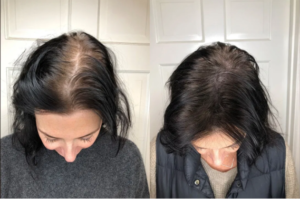
Choosing to undergo a hair transplant is an exciting and empowering step. It represents more than just restoring hair—it’s about regaining self-confidence and feeling like yourself again. At Eldorado Hair Restoration, we know this decision is deeply personal, and we’re committed to guiding you every step of the way.
One of the most common questions patients ask is, “What will my recovery look like?” Understanding the hair transplant recovery process helps reduce anxiety and sets realistic expectations. While every patient heals at their own pace, the following week-by-week guide outlines what you can generally expect on your journey toward thicker, fuller hair.
The First Few Days After Your Hair Transplant
Immediately after your procedure, it’s normal to notice:
- Mild swelling around the forehead or eyes.
- Redness and tiny scabs where grafts were placed.
- Tenderness in both the donor and recipient areas.
These are all healthy signs of your scalp beginning to heal. During this time, it’s important to carefully follow the aftercare instructions provided by your surgeon. That means avoiding strenuous activity, keeping your head elevated while sleeping, and gently rinsing your scalp as directed.
Week 1 of Hair Transplant Recovery
By the end of the first week:
- Most scabs will begin to fall off naturally.
- Redness may still be present, but it will gradually fade.
- You might notice some itching or tightness, which are signs of healing.
This stage is often easier than patients expect. While your scalp is still delicate, many people feel well enough to resume light daily activities. Just remember—gentle care is key to protecting your new grafts.
Week 2 of Hair Transplant Recovery
At this point:
- Scabs are usually gone, and your scalp looks more natural.
- Many patients feel confident returning to social settings.
- Some of the newly transplanted hairs may begin to shed.
This shedding, often called “shock loss,” can feel discouraging—but it’s completely normal. The follicles remain intact beneath the scalp, even if the visible hair falls out. Think of it as your body’s way of resetting before new growth begins.
Weeks 3–4 of Hair Transplant Recovery
During this stage, shedding may continue. Some patients worry they’ve “lost” their transplant, but this is simply part of the cycle. The new follicles are busy beneath the surface, establishing themselves and preparing for future growth.
Patience is crucial here. Trust that your body is doing its work, even if you can’t see the results just yet.
Months 2–3: The Dormant Phase
This is sometimes the most challenging period for patients because visible changes are minimal. After shedding, your scalp may look similar to how it did before your procedure.
But behind the scenes, your transplanted follicles are alive and well. Around the end of the third month, tiny new hairs often start to emerge. They may look thin and soft at first, but this is a turning point in your hair transplant recovery.
Months 4–6: Noticeable Growth
Now the exciting part begins. During this stage:
- You’ll see more consistent growth across the treated areas.
- Hairs become thicker and more pigmented.
- Coverage improves, giving you a fuller appearance.
Although the hair texture may feel different at first, it will continue to mature. Many patients report a significant boost in confidence during this time, as progress becomes visible.
Months 7–12: Transformation Takes Shape
By this stage:
- Growth is steady and density continues to increase.
- The transplanted hairs begin to blend naturally with your existing hair.
- Patients often start experimenting with different styles, enjoying the freedom to cut and style their hair as they wish.
Remember, everyone’s growth timeline is slightly different. Some see rapid progress by month 7, while others continue developing results well into the first year. Both are normal.
1 Year and Beyond After a Hair Transplant
Most patients see their full results between 12–18 months. By then:
- Your hairline will look natural and permanent.
- Density and thickness reach their peak.
- The restored areas blend seamlessly with your natural hair.
This is the stage where the journey comes full circle. What began as a brave decision has now become a lasting transformation.
Conclusion
The journey of hair transplant recovery is gradual, but every stage brings you closer to lasting confidence. From the first few days of healing to the excitement of new growth, the process is worth the patience it requires.
At Eldorado Hair Restoration, we’re here to guide, support, and encourage you throughout your recovery.
If you’re ready to take the next step toward renewed confidence, our team at Eldorado Hair Restoration is here for you. We’ll provide compassionate care and expert guidance at every stage of your hair transplant journey.
Contact us today to schedule your consultation and learn how a personalized hair restoration plan can help you achieve the natural results you’ve been waiting for.
Frequently Asked Questions About Hair Transplant Recovery
How painful is hair transplant recovery?
Most patients experience only mild discomfort in the first few days after surgery. Any soreness is usually managed with over-the-counter pain medication and subsides quickly.
When can I return to work after a hair transplant?
Many patients feel comfortable going back to work within 5–7 days, depending on their job and comfort level. More physically demanding jobs may require a longer break.
Is shedding after a hair transplant normal?
Yes. Shedding is a healthy and expected part of the healing process. Even though the visible hairs may fall out, the transplanted follicles remain and will regrow new hair.
How soon will I see results after my hair transplant?
New growth often begins around the three-month mark. Noticeable improvements typically appear between 4–6 months, with full results visible after 12–18 months.
Will my transplanted hair look natural?
Absolutely. At Eldorado Hair Restoration, our techniques are designed to create natural-looking results that blend seamlessly with your existing hair.
Can I style or cut my hair during recovery?
You can begin gently styling your hair once new growth appears, usually around 4–6 months. Haircuts are fine, but chemical treatments like coloring should wait until your surgeon advises.