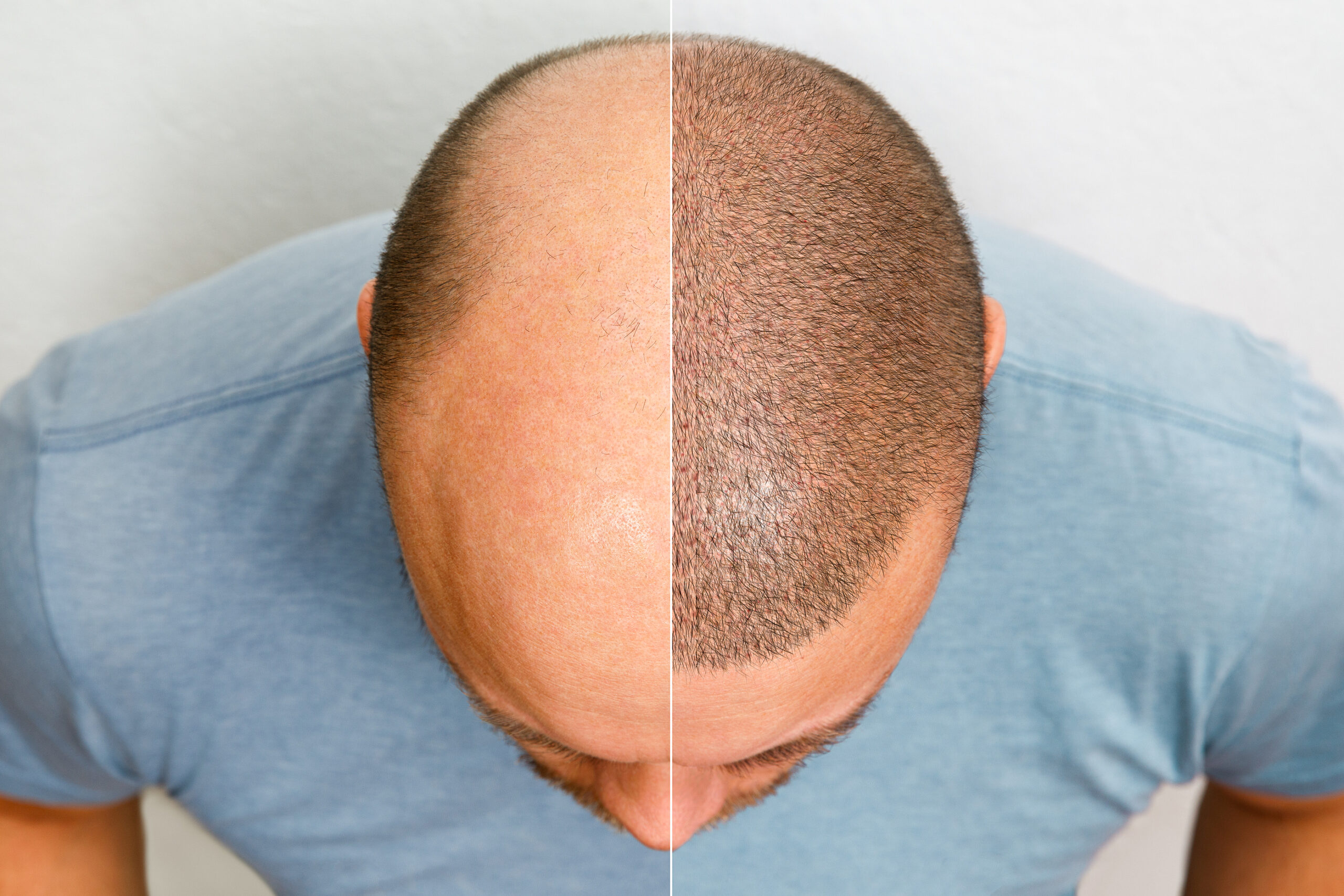
When people start researching hair transplants, the focus is usually on technique. But one of the most important factors in determining your results isn’t the procedure itself; it’s your genetics. At Eldorado Hair Restoration Center, we see this all the time. Two people can undergo the same transplant procedure with the same surgeon and have completely different outcomes. The difference often comes down to genetic factors that influence hair loss patterns, donor hair quality, and long-term stability.
Understanding the role genetics plays in hair transplant outcomes can help you set realistic expectations, choose the right treatment plan, and protect your results for years to come.
Why Genetics Matter in Hair Loss
Hair loss – especially androgenetic alopecia (pattern baldness) – is largely driven by genetics. This condition is influenced by how your hair follicles respond to dihydrotestosterone (DHT), a hormone derived from testosterone. In genetically sensitive individuals, DHT gradually shrinks hair follicles, leading to thinner, shorter hairs and eventually stopping growth altogether.
This process doesn’t happen randomly. It follows predictable patterns:
- Receding hairline
- Thinning at the crown
- Diffuse thinning across the scalp
These patterns are inherited, which means your hair loss journey is often similar to that of your parents or close relatives. For anyone considering a hair transplant, this matters because the procedure doesn’t stop genetic hair loss; it redistributes hair from one area to another.
What a Hair Transplant Can (and Can’t) Do
A hair transplant moves healthy follicles, typically from the back or sides of the scalp, to areas where hair has thinned or disappeared. These donor follicles are usually genetically resistant to DHT, which is why they continue to grow after being transplanted.
However, here’s the key point: A transplant does not change your genetic predisposition to hair loss.
This means:
- Existing non-transplanted hair may continue to thin
- Your hair loss pattern can progress over time
- You may need additional treatments to maintain balance
This is why genetics play such a critical role in long-term outcomes, not just the initial result.
Donor Area Genetics: The Foundation of Success
One of the most important genetic factors in hair transplant success is the quality of your donor area.
The donor zone (typically the back of the head) must have:
- Sufficient density
- Consistent hair caliber (thickness) for natural-looking results
- Good scalp elasticity to support safe graft extraction
- Even distribution of follicles to allow balanced harvesting
- Strong, healthy follicles
- Resistance to DHT
Not everyone has the same donor capacity. Some individuals naturally have thicker, denser hair, while others may have finer or less abundant donor hair.
This directly impacts:
- How much coverage can be achieved
- How natural the final result looks
- Whether multiple procedures are possible
At Eldorado, we evaluate donor area strength carefully before recommending a transplant. In some cases, non-surgical solutions like hair systems or laser therapy may be better suited to achieve the desired outcome.
Hair Characteristics That Influence Results
Genetics also determine the physical characteristics of your hair, which can significantly affect transplant results.
These include:
- Hair thickness (coarse vs fine)
- Curl pattern (straight, wavy, curly)
- Color contrast between hair and scalp
For example:
- Thicker or curlier hair tends to provide better visual coverage
- High contrast (dark hair on light scalp) may require more grafts for a fuller look
These details are often overlooked but play a major role in how “dense” your results appear after a transplant.
Predicting Future Hair Loss
One of the biggest challenges in hair transplantation is planning for the future. Because hair loss is progressive, your current pattern may not be your final pattern. Genetics help predict how your hair loss may evolve over time. A well-designed transplant takes this into account by:
- Preserving donor hair for future use
- Avoiding overly aggressive hairline placement
- Creating a natural, age-appropriate look
Without this long-term planning, patients can end up with unnatural results as surrounding hair continues to thin. This is why working with experienced professionals, like the team at Eldorado Hair Restoration Center, is essential.
The Role of Genetics in Healing and Growth
Genetics don’t just influence hair loss. They also play a major role in how your body responds after a hair transplant and how successful your results ultimately are.
Every patient heals differently. Some individuals naturally move through the recovery process quickly, with minimal redness, swelling, or discomfort. Others may experience a longer healing phase, where inflammation lingers and the scalp takes more time to return to normal. These differences are often tied to your body’s genetic predisposition for healing and tissue repair.
One of the most important factors affected by genetics is graft survival rate, or how many of the transplanted follicles successfully take root and begin producing new hair. Patients with strong vascular health and efficient cellular repair tend to support better blood flow to the scalp, which is critical for nourishing newly transplanted follicles. This can lead to more consistent growth and fuller results over time.
On the other hand, individuals who are more prone to inflammation or slower healing may require additional care during recovery. This doesn’t mean a transplant won’t be successful. It simply means the timeline and approach may need to be adjusted.
Genetics can also influence:
- Collagen production, which affects how quickly the scalp repairs itself
- Inflammatory response, which can impact redness, sensitivity, and recovery time
- Hair growth cycle timing, including how quickly transplanted hairs enter the growth phase
- Scalp sensitivity, which may affect post-procedure comfort and care needs
Supporting Your Results Beyond Genetics
Even though you can’t change your genetics, you can take steps to support and protect your results. Many patients benefit from combining a transplant with other treatments, such as:
Low-Level Laser Therapy (LLLT)
Laser therapy for hair growth helps stimulate follicles and improve scalp health.
Medical-Grade Topicals
Support hair retention and slow further thinning.
Scalp Care (Including Exfoliation)
Maintains a healthy environment for hair growth.
Hair Systems or Density Solutions
Hair systems and custom wigs provide immediate cosmetic improvement while supporting long-term plans. At Eldorado, we often take a multi-solution approach, combining surgical and non-surgical options to create the best possible outcome.
When a Hair Transplant May Not Be the Best Option
Because of genetic limitations, not everyone is an ideal candidate for a hair transplant.
You may want to consider alternatives if:
- Donor hair is limited
- Hair loss is too advanced
- You’re experiencing rapid, ongoing shedding
- You want immediate results without downtime
In these cases, solutions like custom hair systems, extensions, or wigs can provide natural-looking results without the constraints of donor availability. Our goal at Eldorado is always to recommend what’s best for you – not just what’s possible.
Hair Transplants in the Baltimore Area: What to Expect
If you’re exploring hair transplant options in Baltimore, it’s important to choose a provider who understands both the technical and biological aspects of hair restoration. A successful outcome requires careful evaluation of your genetics, strategic planning for future hair loss, and a personalized treatment approach. At Eldorado, we focus on creating results that look natural today and continue to look natural years from now.
Schedule a Free Hair Analysis
Every hair restoration journey is different, and genetics are a big part of that. If you’re considering a hair transplant or exploring your options:
- Get a free hair analysis
- Understand your donor potential
- Learn which solutions will give you the best results
Our team of Maryland hair loss experts is here to guide you through the process with honest recommendations and customized solutions.
Conclusion: Genetics Shape the Outcome, But Strategy Shapes the Result
Hair transplants can be incredibly effective, but they’re not just about the procedure. Your genetics influence how your hair loss progresses, what results are achievable, and how long those results will last. The key is understanding those factors and building a plan around them. With the right approach, you can achieve natural, lasting results that work with your biology, not against it. At Eldorado Hair Restoration Center, we help clients across Baltimore navigate these decisions with clarity, expertise, and confidence. Contact us to learn more, or schedule your free hair analysis.