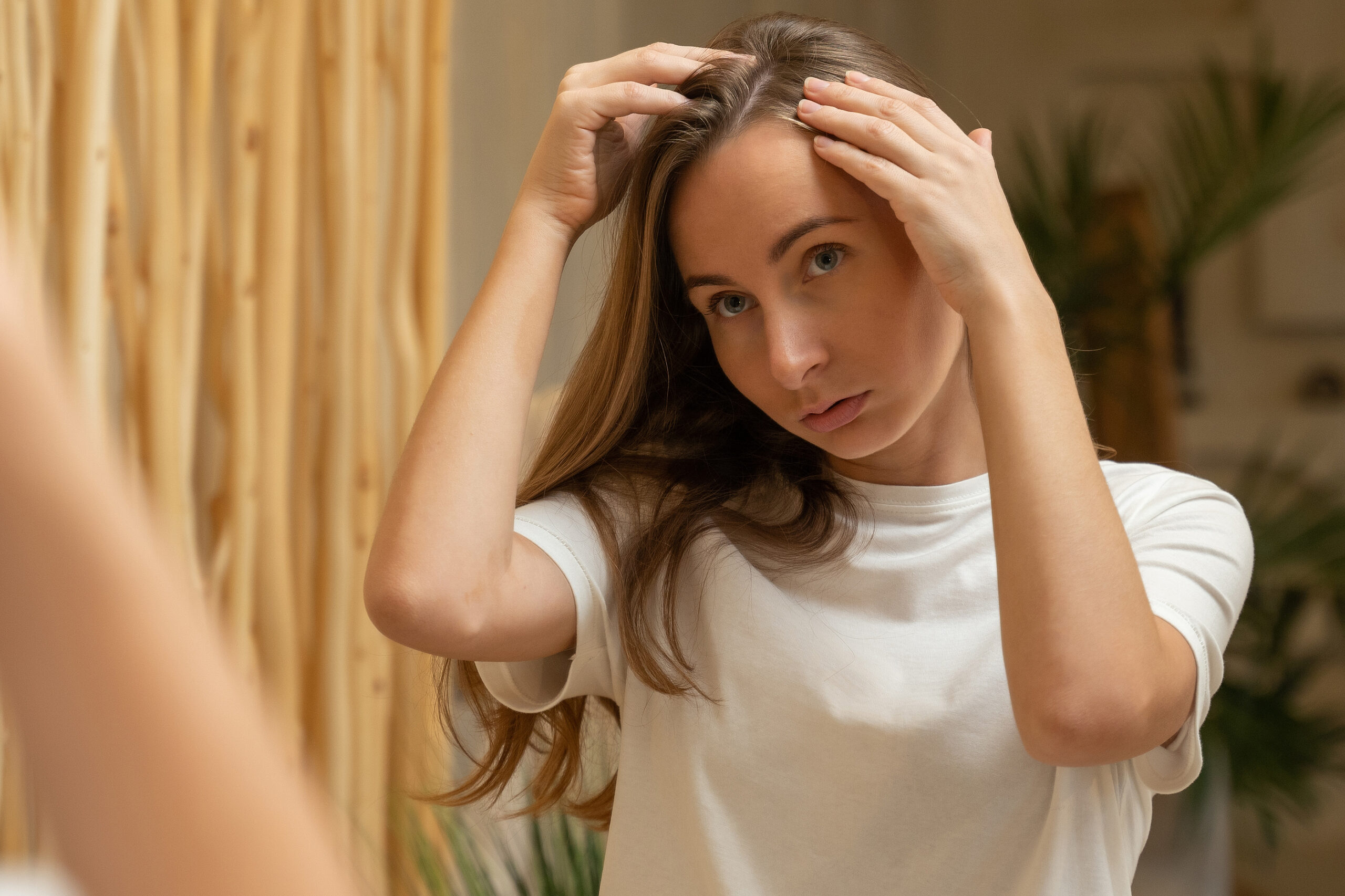
A healthy scalp is the foundation of healthy hair. When the scalp becomes irritated, inflamed, or sensitive, it can interfere with normal hair growth and contribute to hair thinning or excessive shedding. Many people experiencing hair loss also report scalp discomfort, dryness, itching, or tenderness. Sensitive scalp conditions can develop for a variety of reasons, including environmental stress, harsh hair products, medical treatments, and underlying scalp disorders. Fortunately, there are effective ways to calm irritation, improve scalp health, and support stronger hair growth. For individuals experiencing scalp irritation or hair thinning, understanding how to care for a sensitive scalp is an important step toward improving overall hair health.
What Is a Sensitive Scalp?
A sensitive scalp refers to a condition where the scalp becomes easily irritated by environmental factors, hair products, or physical contact. People with sensitive scalps may notice discomfort during routine hair care, including brushing, washing, or styling.
Common symptoms of a sensitive scalp include:
-
Persistent itching or tingling
-
Burning or tenderness
-
Redness or inflammation
-
Flaking or dryness
-
Increased hair shedding or thinning
When the scalp is inflamed or irritated, it can disrupt the normal hair growth cycle. This may lead to weakened hair follicles, slower regrowth, or increased hair loss over time.
Addressing scalp sensitivity early can help protect the scalp environment and support healthier hair growth.
Common Causes of Sensitive Scalp and Hair Loss
Many different factors can contribute to scalp irritation and hair thinning. Understanding the root cause can help determine the best approach to treatment and prevention.
Some of the most common causes of scalp sensitivity include:
Harsh Hair Products
Many shampoos, conditioners, and styling products contain ingredients that can irritate sensitive skin. Sulfates, strong fragrances, alcohol-based styling sprays, and certain preservatives can strip natural oils from the scalp and cause dryness or inflammation. Over time, repeated irritation may weaken the scalp barrier and contribute to scalp discomfort and hair shedding.
Overwashing or Product Buildup
Washing the hair too frequently can remove natural oils that help protect the scalp. At the same time, excessive use of styling products can cause buildup around hair follicles. Both situations may create an unhealthy scalp environment that interferes with normal hair growth.
Environmental Factors
Weather changes, humidity levels, and exposure to pollution can affect scalp health. Cold winter air may cause dryness and flaking, while excessive sun exposure can irritate the scalp and damage hair follicles.
Medical Conditions
Certain scalp conditions may lead to chronic irritation and hair loss, including:
-
Alopecia areata
-
Scalp infections or inflammation
Medical hair loss conditions should be evaluated by professionals who understand how to support scalp recovery and hair regrowth.
Stress and Hormonal Changes
Stress and hormonal fluctuations can disrupt the hair growth cycle and contribute to increased shedding. Stress can also trigger scalp sensitivity, itching, and inflammation.
The Connection Between Scalp Health and Hair Growth
Hair follicles depend on a balanced scalp environment to produce healthy hair. When the scalp becomes inflamed or irritated, the follicles may struggle to function properly.
Healthy scalp conditions support:
-
Stronger hair follicles
-
Improved circulation to the scalp
-
Better nutrient delivery to hair roots
-
Reduced inflammation around follicles
When these conditions are maintained, hair is more likely to grow consistently and remain thick and resilient.
By focusing on gentle scalp care and supportive hair treatments, individuals experiencing scalp irritation may improve both scalp comfort and hair density.
Gentle Hair Products for Sensitive Scalps
Choosing the right hair products can make a significant difference for people with scalp sensitivity or hair thinning.
When selecting shampoos and conditioners, look for formulas designed for sensitive scalp care or hair loss support.
Beneficial ingredients may include:
-
Aloe vera for soothing inflammation
-
Chamomile to calm irritation
-
Tea tree oil for scalp cleansing
-
Biotin to support hair strength
-
Niacin to promote circulation
Products labeled as sulfate-free, fragrance-free, and hypoallergenic are often better tolerated by individuals with scalp sensitivity.
Avoiding harsh chemicals can help protect the scalp’s natural barrier and reduce irritation over time.
Gentle Hair Care Practices That Protect the Scalp
In addition to selecting appropriate products, everyday hair care habits play an important role in maintaining scalp health.
Wash Hair with Lukewarm Water
Hot water can strip natural oils from the scalp and increase irritation. Washing with lukewarm water helps preserve moisture and maintain the scalp’s natural protective barrier.
Massage the Scalp Gently
A gentle scalp massage during shampooing can help stimulate blood flow to hair follicles without causing irritation. Increased circulation supports nutrient delivery and healthy hair growth.
Avoid Tight Hairstyles
Hairstyles that pull tightly on the scalp, such as tight ponytails or braids, can cause stress on hair follicles. Over time, this tension may contribute to traction alopecia and scalp discomfort. Loose, natural hairstyles help reduce strain on sensitive scalp areas.
Limit Heat Styling
Frequent use of hot tools such as flat irons, curling irons, and blow dryers can damage both the scalp and hair strands. Reducing heat styling and using heat-protectant products can help prevent dryness and breakage.
Use Soft Brushes or Wide-Tooth Combs
Gentle detangling tools help prevent unnecessary stress on the scalp and hair follicles. Wide-tooth combs are particularly helpful for reducing breakage and pulling.
Scalp Treatments That Support Hair Restoration
For individuals experiencing persistent scalp irritation or hair thinning, specialized scalp treatments may provide additional support.
Hair restoration professionals often recommend treatments designed to improve scalp hydration, remove buildup around follicles, and get rid of inflammation. These treatments can help restore balance to the scalp and create an environment more supportive of natural hair growth. Professional scalp analysis may also identify underlying conditions affecting hair density.
When to Seek Professional Help for Scalp Irritation
Occasional scalp discomfort is common, but persistent symptoms may indicate an underlying issue that requires professional evaluation.
You may want to consult a hair restoration specialist if you notice:
-
Ongoing scalp itching or burning
-
Visible scalp redness or inflammation
-
Excessive hair shedding
-
Thinning areas of hair growth
-
Scalp tenderness that does not improve with gentle care
Early intervention can help identify the cause of scalp conditions and irritation and prevent further hair thinning.
Scalp Care and Hair Loss Solutions in Baltimore
People experiencing sensitive scalp conditions or hair thinning often benefit from personalized evaluations. A professional hair analysis can help identify the health of the scalp, hair follicles, and surrounding tissue. During a free hair analysis, Maryland hair loss specialists may evaluate scalp hydration levels, hair density and follicle strength, and thinning areas. This information helps determine the best approach for improving scalp comfort and supporting healthy hair growth. For those in Baltimore and surrounding Maryland communities, consulting with hair restoration specialists can provide valuable insight into both scalp care and hair replacement options.
Supporting Long-Term Scalp Health
Maintaining a healthy scalp requires consistent care and attention to both internal and external factors.
Simple habits that support scalp health include:
-
Choosing gentle, scalp-friendly hair products
-
Maintaining balanced nutrition and hydration
-
Reducing stress where possible
-
Protecting the scalp from excessive sun exposure
-
Avoiding aggressive chemical treatments
When the scalp environment is balanced and healthy, hair follicles are better able to produce strong, resilient hair.
Homemade Solutions for Sensitive Scalp Relief
For individuals experiencing mild scalp irritation or dryness, some simple at-home remedies may help calm inflammation and improve overall scalp comfort. While these solutions are not a replacement for professional treatment when hair loss or scalp conditions are severe, they can support healthier scalp care as part of a regular hair routine.
Aloe Vera Scalp Treatment
Aloe vera is widely known for its soothing and anti-inflammatory properties. Applying a small amount of pure aloe vera gel directly to the scalp may help reduce itching, redness, and irritation.
To use:
-
Apply fresh aloe vera gel directly to the scalp
-
Leave it on for 20–30 minutes
-
Rinse with lukewarm water and a gentle shampoo
This treatment may help hydrate the scalp and reduce discomfort caused by dryness.
Coconut Oil Moisture Treatment
Coconut oil can help moisturize a dry scalp and may reduce flaking associated with scalp sensitivity.
To try this method:
-
Warm a small amount of coconut oil
-
Gently massage it into the scalp
-
Leave it on for 30 minutes or overnight
-
Wash out with a mild shampoo
Regular use may help maintain scalp hydration and support healthier hair strands.
Apple Cider Vinegar Rinse
Apple cider vinegar is sometimes used as a clarifying rinse to help remove product buildup and restore scalp balance.
A simple rinse can be made by:
-
Mixing one part apple cider vinegar with two parts water
-
Applying the mixture to the scalp after shampooing
-
Letting it sit for a few minutes before rinsing thoroughly
This rinse may help remove buildup around hair follicles and improve scalp cleanliness.
Oatmeal Scalp Mask
Oatmeal contains soothing compounds that can help calm irritated skin. When used on the scalp, it may reduce itching and dryness.
To make a simple mask:
-
Blend oatmeal into a fine powder
-
Mix with water to create a paste
-
Apply gently to the scalp and leave for 15–20 minutes before rinsing
Oatmeal treatments can help soothe sensitive skin while adding moisture.
Gentle Scalp Massage
A light scalp massage using natural oils such as jojoba or argan oil can help stimulate circulation while relieving tension in the scalp.
Massaging the scalp for a few minutes each day may help:
-
Relax scalp muscles
-
Encourage healthier hair growth conditions
When performed gently, scalp massage can be a simple addition to a healthy hair care routine.
Finding the Right Hair Loss Solutions
For individuals experiencing scalp irritation alongside hair thinning, a combination of scalp care and hair restoration solutions may provide the best results.
Hair restoration professionals can help identify appropriate options such as:
-
Hair restoration treatments designed to support scalp health
-
Hair systems for thinning areas
-
Custom wigs for individuals experiencing medical hair loss
-
Hair extensions to improve the appearance of density during regrowth
Each solution should be tailored to the individual’s hair type, scalp condition, and long-term goals.
Hair Restoration Support in the Baltimore Area
Scalp health and hair restoration are closely connected. Addressing irritation and inflammation early can help improve comfort while also supporting healthier hair growth over time. For individuals seeking hair loss solutions in Baltimore, Eldorado provides consultations designed to evaluate scalp health, identify causes of hair thinning, and explore personalized hair restoration options. With the right approach, many people experiencing scalp sensitivity and hair loss can regain both scalp comfort and the appearance of fuller, healthier hair. Contact us today.