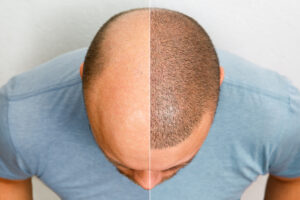
Undergoing a hair transplant is a major step for many individuals experiencing thinning hair or pattern baldness. Modern hair restoration techniques can provide natural-looking, long-term results, but the recovery process plays a major role in the outcome. One of the biggest misconceptions about hair transplantation is that the procedure itself is the only thing that matters. In reality, proper aftercare is extremely important. Patients who fail to follow post-procedure instructions may increase the risk of poor graft survival, prolonged healing, irritation, or disappointing cosmetic results. Read on to learn more.
Expecting Immediate Results
One of the most common mistakes patients make is expecting dramatic results within the first few weeks after surgery.
Hair transplantation is a gradual process. Newly transplanted follicles need time to settle, heal, and enter the normal hair growth cycle. In many cases, transplanted hairs shed during the first several weeks after the procedure before new growth begins.
This shedding phase is completely normal and often referred to as “shock loss.” It does not mean the procedure failed.
Most patients begin noticing meaningful regrowth several months after surgery, while final results may continue developing for up to a year or longer depending on the individual. Having realistic expectations is important throughout the recovery process.
Touching or Scratching the Scalp Too Soon
The scalp is especially sensitive after a hair transplant. Newly placed grafts need time to anchor securely into the scalp. Touching, scratching, rubbing, or picking at scabs too early can potentially dislodge grafts and interfere with healing.
It is common for patients to experience:
- Mild itching
- Tightness
- Redness
- Scabbing
- Temporary discomfort
However, aggressive scratching or rubbing should be avoided during the early healing phase. Following washing instructions carefully and using only approved products can help reduce irritation while protecting transplanted follicles.
Washing the Hair Incorrectly
Hair washing after a transplant requires special care. Many patients accidentally apply too much pressure or use inappropriate shampoos during early recovery.
Some common mistakes include:
- Scrubbing the scalp aggressively
- Using very hot water
- Applying harsh hair products
- Washing too frequently too soon
- Skipping washing entirely out of fear
Most providers give detailed washing instructions designed to protect the grafts while keeping the scalp clean. Following these directions closely is essential during the first several days after surgery.
Returning to Exercise Too Quickly
Physical activity increases blood pressure and sweating, which may interfere with healing during the early stages of recovery. Many patients underestimate how important temporary activity restrictions can be after a hair transplant. Strenuous exercise too soon may increase the risk of:
- Swelling
- Bleeding
- Irritation
- Graft disruption
- Delayed healing
Patients are often advised to temporarily avoid:
- Heavy lifting
- Intense cardio
- Contact sports
- Swimming
- Sauna use
- Excessive sweating
Recovery timelines vary depending on the individual and the specific procedure performed.
Ignoring Sun Protection
Sun exposure is another commonly overlooked issue after hair transplantation. The scalp may remain sensitive for several weeks following the procedure, and direct sun exposure can irritate healing tissue and affect recovery. Excessive UV exposure may contribute to:
- Increased redness
- Irritation
- Prolonged healing
- Scalp sensitivity
Patients are often advised to avoid prolonged direct sunlight during the early healing period and follow provider recommendations regarding hats or scalp coverings.
Wearing Tight Hats Too Soon
Many patients want to conceal redness or scabbing immediately after their procedure. However, tight-fitting hats or helmets may place unnecessary pressure on healing grafts. Depending on the surgeon’s recommendations, certain loose-fitting coverings may be allowed after a specific period of time. Still, placing friction or pressure directly against transplanted follicles too early can create problems during recovery.
Smoking During Recovery
Smoking can negatively affect circulation and healing throughout the body, including the scalp. Poor blood flow may interfere with proper graft nourishment during the healing process. For this reason, many providers strongly encourage patients to avoid smoking before and after surgery whenever possible.
Nicotine restriction may support healthier healing conditions and improve overall recovery outcomes.
Drinking Alcohol Too Soon After Surgery
Alcohol may contribute to dehydration and can sometimes interfere with medications or healing during the immediate post-operative period. Patients are often advised to temporarily avoid alcohol after surgery, particularly during the earliest stages of recovery. Following all medication and recovery guidelines carefully helps minimize unnecessary complications.
Skipping Follow-Up Appointments
Some patients assume that once the procedure is complete, follow-up care is no longer necessary.
However, follow-up visits are important because they allow providers to:
- Monitor healing
- Evaluate graft survival
- Address concerns early
- Review progress
- Recommend ongoing treatments if needed
Hair restoration is often a long-term process rather than a single event.
Panicking During the Shedding Phase
Many patients become alarmed when transplanted hairs begin shedding shortly after surgery. This phase is extremely common and typically temporary. The follicles themselves usually remain intact beneath the scalp and eventually begin producing new hair growth over time. Patients who are not prepared for this phase sometimes mistakenly believe they are losing the results of the transplant.
Failing to Address Ongoing Hair Loss
A hair transplant does not necessarily stop future hair loss from occurring in untreated areas. Some patients focus only on transplanted regions while ignoring progressive thinning elsewhere on the scalp. This may eventually create uneven density over time if additional hair loss continues. Depending on the individual, providers may recommend ongoing management strategies such as:
- PRP therapy
- Hair restoration treatments
- Medications
- Non-surgical hair replacement
- Preventative therapies
Long-term planning is often important for maintaining balanced cosmetic results.
Comparing Results to Other Patients
Every individual heals differently after hair transplantation.
Factors that may affect results include:
- Hair texture
- Hair color
- Density
- Scalp characteristics
- Genetics
- Age
- Overall health
- Extent of hair loss
Comparing progress too closely to online photos or other patients can create unrealistic expectations.
Patience is an important part of the restoration process.
Neglecting Overall Scalp and Hair Health
Healthy hair growth often benefits from good overall scalp care and wellness habits.
Patients sometimes overlook the importance of:
- Proper nutrition
- Hydration
- Stress management
- Scalp hygiene
- Sleep quality
According to the American Academy of Dermatology Association, overall hair and scalp care habits can influence hair health and recovery.
Hair Transplant Recovery Symptom Checker
The following symptoms are commonly expected during normal healing after a transplant procedure:
- Mild redness
- Temporary swelling
- Scabbing
- Itching
- Tenderness
- Temporary shedding
- Tightness of the scalp
However, patients should contact their provider if they experience:
- Severe pain
- Significant bleeding
- Pus or drainage
- Fever
- Sudden worsening swelling
- Signs of infection
Following professional guidance closely helps support safer recovery and better long-term results.
The Importance of Patience After Hair Restoration
Hair transplantation is a process that unfolds gradually over time. While it can be exciting to anticipate the final outcome, patience is essential during recovery. Many patients experience emotional ups and downs during the healing process, particularly during the temporary shedding stage. Understanding that visible improvement takes time can help patients remain realistic and confident throughout recovery.
Contact Eldorado for Baltimore Hair Transplant Services
If you are considering a hair transplant or exploring alternatives for thinning hair and hair loss, understanding the recovery process is an important part of making an informed decision.
Eldorado Hair Replacement Center provides customized hair restoration and non-surgical hair replacement solutions for men and women throughout Maryland and the surrounding region. Whether you are researching surgical restoration, hair transplant alternatives, or non-surgical options, experienced guidance can help you better understand the treatments available and what to expect during recovery. Contact us to learn how we can help you regain your confidence today.