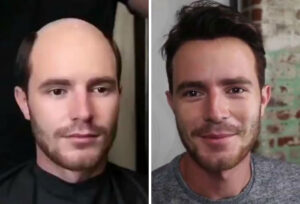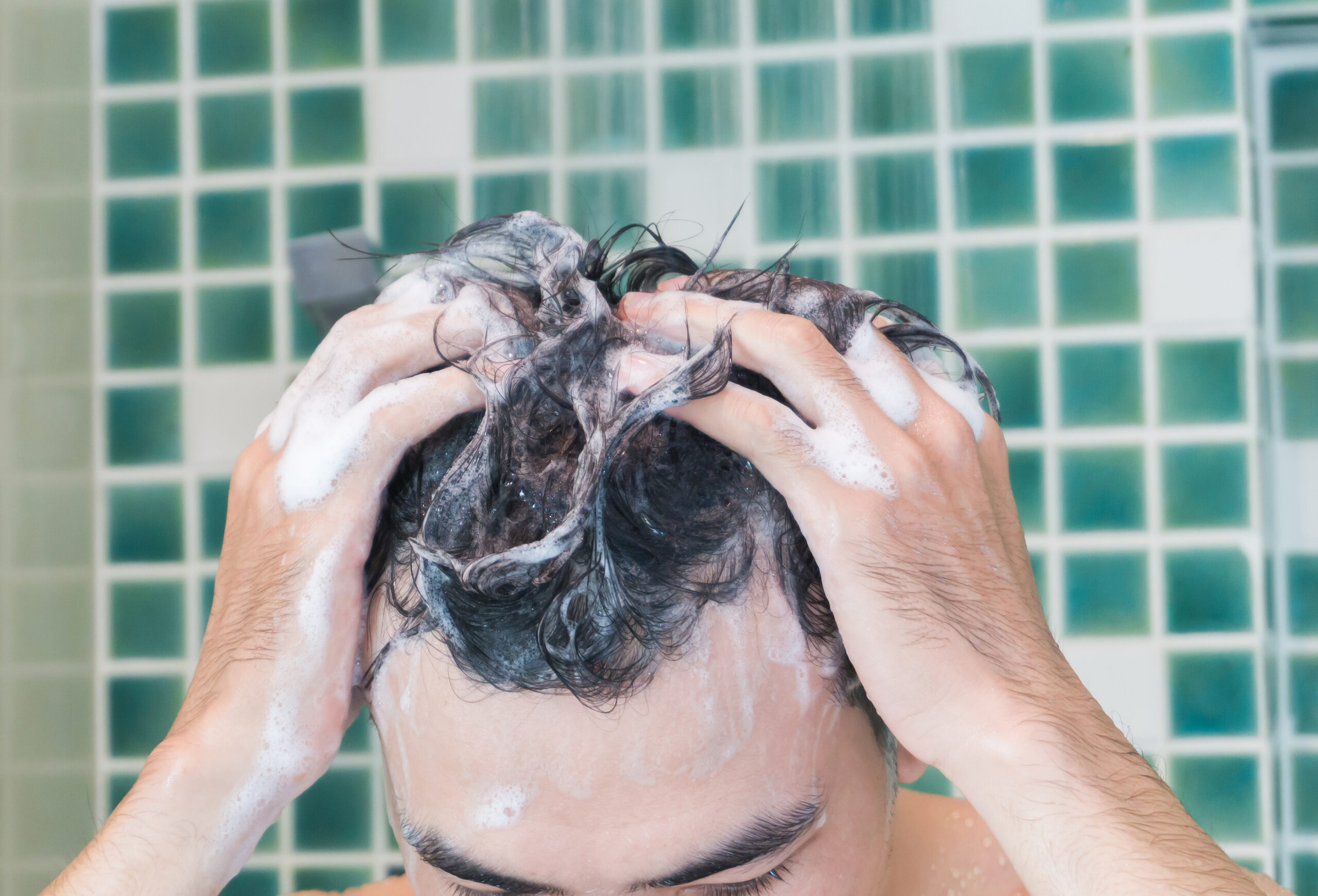
Your 20s may not seem like the time to think about hair loss. If your hair is still thick and your hairline looks the way it always has, hair restoration probably isn’t high on your list of concerns. But your 20s can be an excellent time to establish habits that support healthy hair and scalp care. It is also a good time to learn what is normal for your hair so that you are more likely to recognize meaningful changes if they occur later.
While healthy habits cannot prevent every type of hair loss, taking care of your overall health, avoiding unnecessary damage, and paying attention to changes can put you in a better position to respond early.
Can Hair Loss Start in Your 20s?
Yes. Although hair loss is often associated with getting older, some forms can begin during the 20s or even earlier. The American Academy of Dermatology notes that male pattern hair loss can begin in the late teens or early 20s. By age 50, more than half of white men have a visible sign of male pattern hair loss, such as thinning, a receding hairline, or balding.
Hair Loss in Young Adults Is More Common Than You May Think
Research specifically involving younger adults shows that androgenetic alopecia is not limited to middle age. One study of 1,507 male university students between ages 18 and 30 found that 19.2% had early-onset androgenetic alopecia. The researchers also found that prevalence increased with age within this group, while family history was among the factors associated with increased risk.
Other research illustrates how pattern hair loss becomes increasingly common with age. A review of male androgenetic alopecia reports that the condition can begin during the second decade of life and affects approximately 30% of men around age 30 and 50% around age 50. However, prevalence varies among populations, so these figures should not be interpreted as the expected experience of every individual.
Hair Thinning in Your 20s Isn’t Always Genetic
Androgenetic alopecia, commonly called male or female pattern hair loss, is influenced by genetics and hormones. However, not all increased shedding or thinning in your 20s is genetic or permanent.
Stress, nutritional deficiencies, certain medical conditions, medications, hormonal changes, and repeated damage to the hair can also contribute. Determining why hair is changing is important because different causes of hair loss may require very different approaches.
How Much Daily Hair Shedding Is Normal?
Seeing hair in your shower drain or brush does not necessarily mean you’re experiencing hair loss. According to the American Academy of Dermatology, it is normal to shed approximately 50 to 100 hairs per day.
Temporary excessive shedding, known as telogen effluvium, can occur after significant physical or emotional stressors, including illness, surgery, major weight loss, or childbirth.
Look for Changes That Continue Over Time
Rather than focusing on the number of hairs you see in the shower on a particular day, pay attention to persistent changes. A gradually receding hairline, widening part, thinning crown, reduced overall density, or noticeable differences in photographs taken several months apart may provide a better indication that something is changing. Recognizing those changes early gives you an opportunity to have your hair evaluated, determine what may be causing the thinning, and learn what hair restoration or treatment options may be appropriate before the hair loss becomes more advanced.
Know What Your Normal Hair Looks Like
One of the simplest things you can do in your 20s is become familiar with your baseline. You see your hair every day, which can make gradual changes difficult to notice. Taking occasional photographs can provide a useful point of comparison.
Consider taking pictures of:
- Your frontal hairline
- Both temples
- The top of your scalp
- Your crown
- Your part, if applicable
Try to take the photos in similar lighting, with dry hair and from approximately the same angles. There is no need to constantly inspect your scalp. The purpose is simply to have a reference if you eventually begin wondering whether your hairline or density has changed.
Build a Healthy Scalp-Care Routine
Healthy-looking hair starts with appropriate scalp and hair care. How often you should shampoo depends on your hair type, scalp, activity level, and styling habits. The goal is to keep the scalp clean without unnecessarily irritating it or damaging the hair shaft.
If you regularly use styling products, dry shampoo, oils, or other products that accumulate on the scalp, cleansing them appropriately can help prevent buildup. Persistent itching, flaking, redness, tenderness, or other scalp symptoms deserve attention rather than simply being covered with more styling products.
A Simple Routine for Healthy Hair and Scalp Care
You do not need a shelf full of expensive products to establish a good routine. Start with a few basic habits and adjust them according to how your hair and scalp respond.
- Wash based on your scalp and hair type. If your scalp becomes oily quickly, you may need to shampoo daily or every other day. People with dry, curly, coily, or textured hair may need to wash less frequently. Focus shampoo primarily on the scalp rather than aggressively scrubbing the entire length of your hair.
- Condition after washing. Conditioner can help reduce friction, improve manageability, and protect the hair from breakage. Concentrate it on the lengths and ends of the hair, particularly if they tend to be dry or damaged.
- Be gentle with wet hair. Hair can be more vulnerable to breakage when wet. Avoid aggressive towel drying, brushing, or pulling. Gently blot excess water and use a wide-tooth comb or an appropriate detangling brush when needed.
- Limit excessive heat. When using a blow-dryer, flat iron, curling iron, or other heated styling tool, use the lowest effective temperature and avoid repeatedly applying heat to the same sections.
- Avoid constant tension. Give your hair regular breaks from tight ponytails, braids, buns, extensions, or other styles that repeatedly pull on the hairline and follicles.
- Clean styling products from the scalp. Dry shampoo, gels, sprays, oils, and other products can accumulate over time. Shampoo thoroughly enough to remove buildup instead of continually adding new products on top of old ones.
- Check your scalp regularly. When washing or styling your hair, pay attention to persistent redness, scaling, itching, tenderness, sores, or other changes. These symptoms may warrant evaluation by a dermatologist or another qualified healthcare professional.
Keep Your Routine Consistent
Hair care does not have to be complicated to be effective. A consistent routine that keeps the scalp clean, minimizes breakage, and avoids unnecessary tension or heat is a better foundation than constantly switching products in search of a quick fix.
Most importantly, remember that a healthy hair-care routine supports the condition of your hair and scalp, but it cannot necessarily prevent genetic hair loss. If you notice progressive thinning despite taking good care of your hair, it may be time to investigate what is causing the change.
Be Careful With Hairstyles That Constantly Pull on Your Hair
Repeated tension can damage hair over time. Very tight braids, ponytails, buns, extensions, or other styles that consistently pull on the follicles may contribute to traction alopecia. The risk can increase when high-tension styles are worn repeatedly for extended periods. Pay particular attention to pulling around the temples and hairline. If a hairstyle causes pain, tenderness, bumps, or noticeable breakage, consider reducing the tension or changing how frequently you wear it. Addressing traction early is important because prolonged damage to follicles can eventually become permanent.
Limit Unnecessary Heat and Chemical Damage
Not all apparent thinning begins at the follicle. Sometimes hair looks thinner because individual strands are breaking. Frequent high-temperature styling, bleaching, chemical straightening, and other aggressive treatments can weaken the hair shaft. When breakage occurs throughout the hair, overall volume can appear reduced even when follicles are still producing hair. You do not necessarily need to eliminate styling treatments completely. Instead, consider ways to reduce unnecessary damage. Use heat carefully, follow product instructions, avoid repeatedly processing already damaged hair, and give your hair additional care if you notice increasing dryness or breakage.
Eat for Overall Health, Not a Hair-Growth Shortcut
Hair supplements have become a major industry, but more is not necessarily better when it comes to vitamins and minerals. Hair follicles require adequate nutrition, including protein and micronutrients. However, taking large amounts of supplements without an identified deficiency does not guarantee thicker hair and can sometimes be harmful.
Eat for Overall Health, Not a Hair-Growth Shortcut
Hair supplements have become a major industry, but more is not necessarily better when it comes to vitamins and minerals. Hair follicles require adequate nutrition, including protein and micronutrients. However, taking large amounts of supplements without an identified deficiency does not guarantee thicker hair and can sometimes be harmful.
Healthy Foods That Support Hair and Overall Nutrition
Rather than looking for one “superfood” for hair growth, incorporate a variety of nutrient-dense foods into your regular diet:
- Protein: Eggs, chicken, turkey, fish, Greek yogurt, beans, lentils, tofu, and nuts provide protein. Hair is primarily composed of a protein called keratin, making adequate dietary protein important for normal hair production.
- Iron: Lean meats, seafood, beans, lentils, spinach, and iron-fortified cereals can help provide iron. Vitamin C-rich foods such as oranges, strawberries, bell peppers, and tomatoes can help the body absorb iron from plant-based foods.
- Zinc: Meat, shellfish, dairy products, beans, nuts, seeds, and whole grains are dietary sources of zinc.
- Omega-3 fatty acids: Fatty fish such as salmon, sardines, and trout are good sources of omega-3s. Plant-based options include walnuts, chia seeds, and flaxseeds.
- B vitamins: Eggs, fish, meat, dairy products, legumes, leafy greens, and fortified grains provide various B vitamins that support normal cellular functions.
- Vitamin C: Citrus fruits, berries, kiwi, tomatoes, broccoli, and bell peppers provide vitamin C, which also plays a role in collagen production and iron absorption.
- Vitamin D: Fatty fish, egg yolks, and fortified foods can provide vitamin D, although relatively few foods naturally contain large amounts.
- Vitamin E: Nuts, seeds, avocado, and certain vegetable oils are useful dietary sources of vitamin E.
Pay Attention to Stress and Major Changes in Your Health
Periods of significant physical or emotional stress can sometimes affect the hair growth cycle. Illness, surgery, substantial weight loss, major dietary changes, and other stressors may be followed by increased shedding. One form of temporary shedding associated with these changes is known as telogen effluvium. Because the hair cycle operates over months, shedding may not begin immediately after the triggering event. If you suddenly notice much more hair than usual in the shower, on your pillow, or in your brush, think about what has changed over the previous several months and discuss persistent or significant shedding with a medical professional.
Don’t Ignore a Gradually Changing Hairline
A mature hairline and progressive pattern hair loss are not necessarily the same thing. For some people, the hairline changes somewhat between adolescence and adulthood. However, continuing recession at the temples, progressive thinning through the frontal scalp, or increasing visibility of the scalp may warrant a closer look. Common early signs of hair loss can include:
- Increasing recession around the temples
- A widening part
- Reduced density at the crown
- Greater scalp visibility
- A thinner ponytail
- Progressive changes in photographs
- Hair becoming noticeably finer in certain areas
Recognizing a pattern early gives you more time to determine what may be happening and explore appropriate options.
Understand Your Family Hair Loss History
Genetics can play an important role in pattern hair loss. One common misconception is that male pattern hair loss comes exclusively from the mother’s side of the family. In reality, genetic susceptibility is more complex and can involve genes inherited from both sides. Look at your broader family history rather than focusing on a single relative. If several family members experienced significant hair loss at relatively young ages, it does not guarantee that you will follow the same pattern. It may, however, give you another reason to pay attention to gradual changes in your own hair.
Avoid Waiting for Hair Loss to Become Severe
If you do notice thinning in your 20s, you do not have to wait until it becomes extensive before asking about it. Early evaluation can help distinguish between different types of hair loss and determine whether treatment may be appropriate. This is particularly important because not every form of hair loss should be treated the same way. The right approach depends on why the hair is thinning in the first place. Depending on the cause and individual circumstances, options may include medical treatment, changes to hair-care practices, addressing an underlying issue, or hair restoration procedures.
Does Hair Transplant Surgery Make Sense in Your 20s?
Hair transplantation can be an option for some younger adults, but age alone does not determine whether someone is a good candidate. One of the most important considerations is the likely progression of future hair loss. A hair transplant moves follicles into areas where additional coverage is desired, but it does not automatically prevent non-transplanted hair from continuing to thin. That can be particularly important for someone whose pattern of hair loss is still developing.
Surgeons may consider factors such as:
- The cause and pattern of hair loss
- How quickly the hair loss appears to be progressing
- Donor hair availability
- Family history
- Current hair density
- Long-term expectations
- The likelihood of needing future treatment
For younger patients, conservative planning can be especially important. The goal should be a result that makes sense today while accounting for how the patient’s hair could change over the coming decades.
Be Skeptical of Hair Loss Advice on Social Media
Hair loss content is everywhere online. Oils, supplements, shampoos, scalp massagers, homemade treatments, and other products are frequently promoted as ways to stop hair loss or regrow hair. Before spending money on them, consider the evidence behind the claims. A product that makes hair feel thicker or healthier is not necessarily treating the underlying cause of follicular hair loss. If you’re noticing genuine changes in density, finding out why they are happening is more useful than cycling through products based on social media recommendations.
What Should You Do If You Think You’re Losing Hair in Your 20s?
Start by documenting what you are seeing. Compare your current hair with photographs from six months, a year, or several years ago. Pay attention to where the change is occurring and whether it appears to be progressing. Avoid diagnosing yourself solely from photos online. Different types of hair loss can look similar, particularly in their early stages. An evaluation can help determine whether you are experiencing progressive hair loss, temporary shedding, breakage, or another issue that deserves further investigation.
Start Paying Attention to Your Hair Before There’s a Problem
Taking care of your hair in your 20s does not require an elaborate routine. Avoid unnecessary damage. Eat a balanced diet. Pay attention to your scalp. Know what your normal hairline and density look like. And if something begins to change, investigate it instead of waiting until the difference becomes impossible to ignore. You cannot control every factor that determines how your hair will change as you age. Genetics, hormones, health, and other factors all play a role. What you can control is how quickly you respond when you notice something different.
Hair Loss Evaluation in Baltimore, Maryland
If you’ve noticed a receding hairline, thinning crown, widening part, or another change in your hair, Eldorado Hair Restoration can help you better understand your options.
Eldorado provides hair restoration services for patients in Baltimore, throughout Maryland, and the greater Washington, DC region. Available options include surgical and non-surgical approaches depending on the type and extent of hair loss and the patient’s individual goals. You do not have to wait until hair loss becomes advanced to start asking questions. Schedule a free hair analysis with Eldorado Hair Restoration to learn more about your hair and the restoration options that may be appropriate for you.