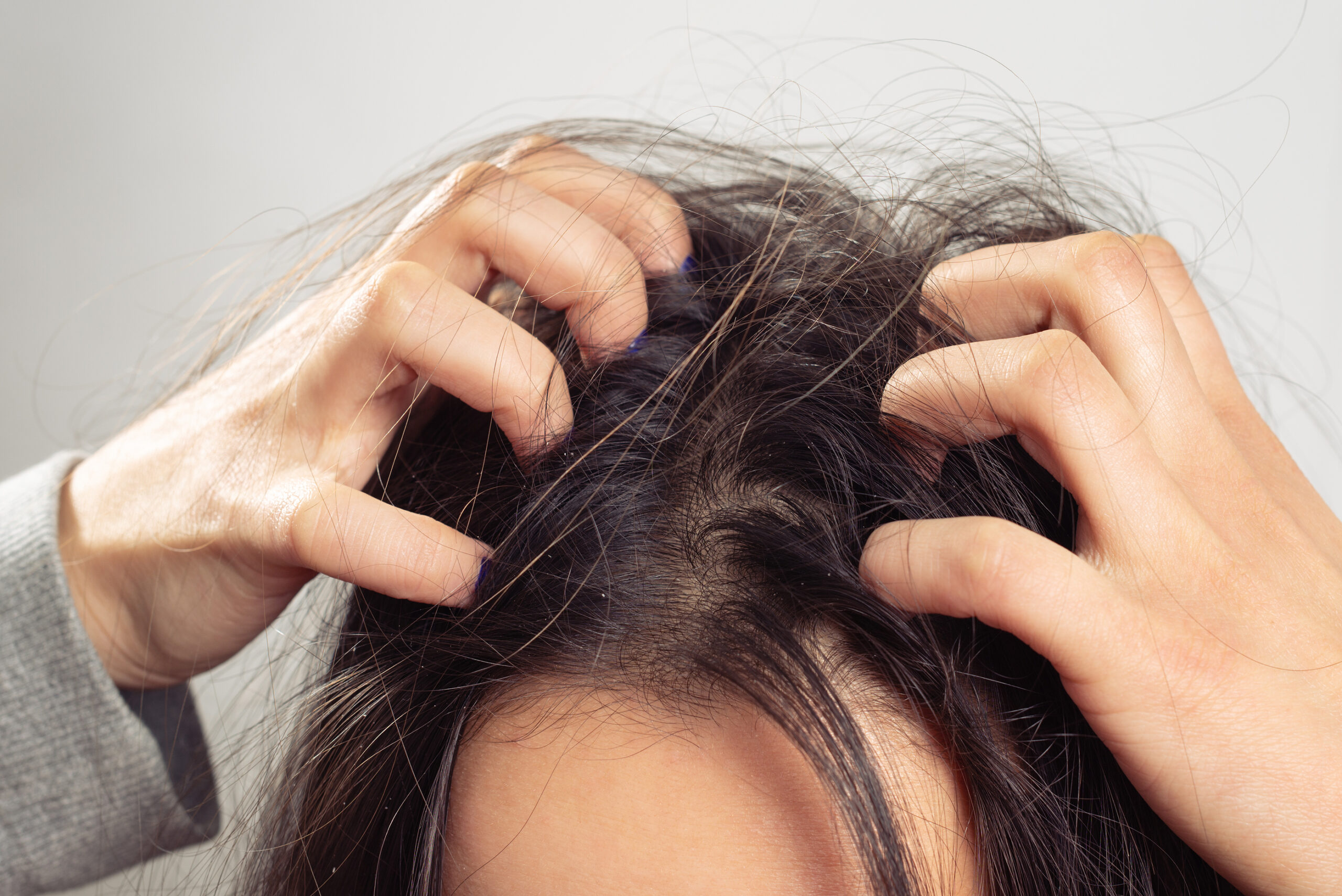
Hair systems can transform confidence, appearance, and daily comfort for people experiencing hair loss. However, with regular use of a hair replacement system, scalp health becomes just as important as the quality of the system itself. One of the most common concerns among hair system wearers is folliculitis, which is a condition where hair follicles become inflamed, often due to bacterial or fungal buildup, irritation, or blocked pores. For those seeking professional hair replacement and restoration solutions near Baltimore, understanding how to prevent folliculitis is essential to protecting both scalp health and long-term hair system success.
This guide will explain what folliculitis is, why hair system users are more prone to it, and practical steps you can take to keep your scalp healthy and irritation-free.
What is Folliculitis?
Folliculitis is the inflammation of one or more hair follicles, leading to small red bumps, pimples, or pustules on the scalp or skin. It may cause itching, tenderness, or even pain. While mild cases often resolve on their own, recurring or untreated folliculitis can lead to discomfort, infection, or scarring.
For hair system users, the added contact, adhesives, and limited airflow to the scalp create an environment where bacteria and irritation are more likely. Preventing folliculitis requires a proactive approach to hygiene, system care, and professional maintenance.
Recognizing the Early Signs of Folliculitis
Preventing folliculitis begins with knowing what to look for. Many hair system users mistake early irritation for minor itching or dryness, but catching the warning signs early helps prevent a full flare-up.
Common early symptoms include:
- Small red bumps or pimples on the scalp, often around the hairline or adhesive areas
- Itchiness or tenderness under the hair system
- Mild swelling or clusters of bumps that look similar to a rash
- Scalp sensitivity that increases when adhesives are removed or reapplied
If these symptoms are ignored, folliculitis can progress into more painful pustules, scabbing, or even scarring of the scalp. In severe cases, users may need prescription-strength treatments to resolve the infection.
Hair system users in Baltimore and surrounding areas should take extra care during the city’s hot, humid months, when sweat and bacteria thrive. If you notice recurring signs of folliculitis, it’s best to contact a local hair restoration clinic for professional scalp evaluation. Early treatment not only protects scalp health but also ensures that your hair replacement system remains safe and comfortable to wear.
Why Hair System Users Are at Higher Risk
Wearing a hair system, whether it is a non-surgical hair replacement unit, a custom hairpiece, or another restoration method, adds unique challenges to scalp health. Key contributing factors include:
- Adhesive use: Tapes, glues, and bonding agents can trap bacteria and oils against the scalp if not cleaned properly.
- Reduced airflow: Covering the scalp for long periods can increase sweat and oil accumulation, creating a warm environment for bacterial growth.
- Improper cleaning: If hair systems or scalp surfaces aren’t cleaned regularly, residue builds up and clogs pores.
- Extended wear times: Wearing a unit too long without removal and cleaning increases risk of folliculitis and other scalp irritations.
- Sensitive skin reactions: Some individuals have naturally reactive skin that can become inflamed from adhesives, shampoos, or even friction caused by the hair system.
- Environmental factors: Humidity, heat, and pollution, especially in regions like Baltimore during summer months, can worsen sweat and oil buildup under a hair system.
Fortunately, by following scalp health best practices, you can dramatically lower your risk.
Daily and Weekly Scalp Care Practices
Consistent scalp care is the foundation of preventing folliculitis. Below are key routines every hair system user should follow:
Gentle Cleansing
Use a mild, sulfate-free shampoo recommended by your hair replacement specialist. Harsh shampoos strip natural oils and irritate the scalp. A gentle cleanser removes buildup while maintaining healthy skin balance.
Regular Exfoliation
Once or twice a week, exfoliate the scalp with a gentle scrub or specialized exfoliating product designed for sensitive skin. This removes dead skin cells, reduces clogged pores, and minimizes the risk of bacteria buildup.
For hair system users, exfoliation is especially important because adhesives and residue can collect at the follicle opening, leading to irritation. Using a mild scalp scrub, a silicone scalp brush, or an exfoliating toner can keep the skin beneath your system fresh and breathable. Be sure to avoid overly harsh scrubs or products with large, rough particles, as these can damage the scalp and interfere with adhesive bonds. Consistency and moderation are key; gentle, regular exfoliation promotes a healthier foundation for your hair replacement system without causing unnecessary irritation.
Moisturize Appropriately
A dry scalp can become irritated more easily. Use lightweight, non-comedogenic moisturizers or sprays specifically formulated for scalps under hair systems. Avoid heavy oils that can block follicles.
Some good options include:
- Aloe vera–based scalp sprays hydrate without leaving a greasy residue.
- Water-based leave-in conditioners provide moisture while keeping follicles clear.
- Tea tree or witch hazel tonics offer light hydration while also soothing irritation and reducing bacteria.
- Dermatologist-recommended moisturizers such as Cetaphil or CeraVe lotions (applied sparingly to the scalp) are best for sensitive skin.
Maintain System Hygiene
Clean your hair replacement system thoroughly during each removal. Residue from adhesives and natural oils must be fully cleared before reattachment. Using professional-grade cleansers ensures a safe and sanitary bond.
Adhesive and Bonding Best Practices
Since adhesives are a leading contributor to folliculitis, proper handling is essential:
- Rotate adhesives: If possible, alternate between tape and glue to reduce prolonged irritation from one type.
- Patch test: Before trying a new adhesive, test it on a small skin area to check for allergic reactions.
- Avoid buildup: Excess adhesive left on the scalp creates breeding grounds for bacteria. Always remove thoroughly.
- Professional application: Seek help from a trained hair system specialist near Baltimore for secure, safe bonding.
Professional Maintenance and Regular Checkups
Even with diligent home care, professional support makes a major difference. Partnering with a reputable hair replacement and restoration clinic ensures that your scalp is evaluated regularly and your hair system is properly maintained. Specialists can spot early signs of irritation, recommend medical-grade products, and adjust your wear schedule to reduce folliculitis risk.
For residents near Baltimore, Eldorado Hair Restoration offers personalized scalp health consultations along with custom hair replacement solutions. Regular professional checkups not only protect your scalp but also extend the life of your hair system.
Lifestyle and Preventative Habits
Beyond scalp cleaning and adhesive management, your overall lifestyle affects your risk of folliculitis:
- Shower after sweating: Sweat trapped beneath a hair system can irritate the scalp. Always cleanse after workouts.
- Choose breathable systems: Ask your provider about modern, lightweight bases that improve airflow to the scalp.
- Avoid scratching: Scratching increases irritation and risk of infection. Instead, soothe itchiness with a cooling spray.
- Support immune health: A healthy diet, hydration, and stress management keep your skin’s defenses strong.
- Change pillowcases regularly: Oils, sweat, and bacteria collect on bedding. Switching to clean pillowcases every few days reduces scalp irritation.
- Limit product buildup: Use styling products sparingly. Heavy gels or sprays can clog follicles and trap bacteria under the hair system.
- Protect from heat and sun: Excessive heat and UV exposure can irritate the scalp and weaken adhesives. Wear a hat or use protective sprays when outdoors.
When to Seek Medical Help
If you notice persistent bumps, redness, or discomfort that does not improve with proper hygiene, consult a dermatologist or your hair restoration clinic. Severe folliculitis may require medicated shampoos, topical creams, or oral treatments. Early intervention helps prevent long-term scalp damage and ensures you can continue wearing your hair system comfortably.
Conclusion
Your hair system is an investment in confidence. Protecting your scalp ensures it remains a safe and lasting solution.
Preventing folliculitis is about maintaining a healthy scalp environment, balancing daily hygiene with professional support, and choosing the right hair system products. By keeping your scalp clean, properly managing adhesives, and working with a trusted hair replacement clinic, you can enjoy a natural, comfortable look without irritation.
Eldorado: Local Expertise for Hair System Users
For those in Baltimore and the surrounding region, professional hair loss service is close to home. Local hair replacement experts understand the unique climate and lifestyle factors that can affect scalp health in Maryland. Humidity, seasonal changes, and urban environments all play a role in scalp conditions, making local expertise invaluable. Choosing a trusted Baltimore-area hair loss clinic like Eldorado means you’ll receive care tailored to your environment and lifestyle. Contact us to get started today.